
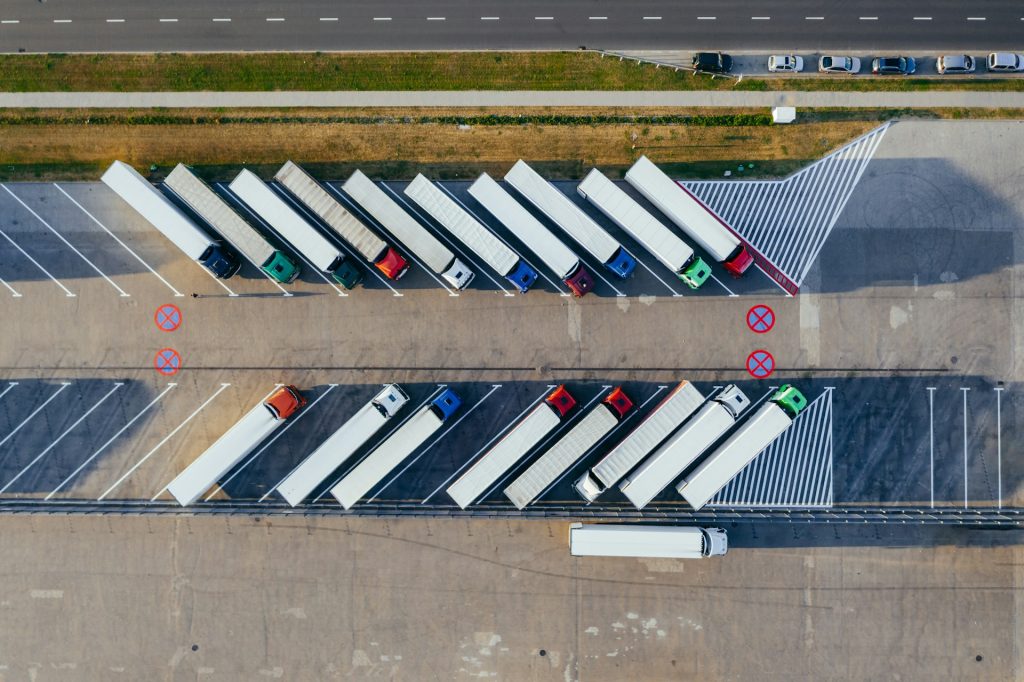
Are you tired of waiting ages for a package? Annoyed by empty store shelves or constant price hikes? These everyday problems might seem random, but they all have a surprising solution: logistics!
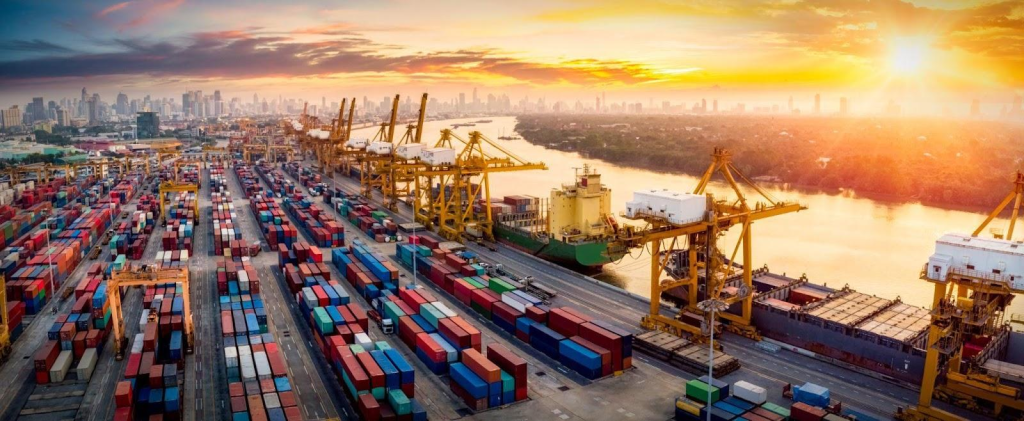
Think of logistics like a super organizer highway for stuff. It works behind the scenes to ensure the things you need and love get where they need to go on time and for a fair price. Imagine someone finding the best deals on products, storing them safely, and then figuring out the fastest way to get them to you. That's basically what logistics does!
Let's explore how logistics can make your everyday life easier.
What is Logistics?
Logistics is the process that gets products where they need to be. It includes the entire journey of a good, from preparation to the final customer. Here's what effective logistics ensures:
- Right place, right time: The main goal is delivering the right items to the exact location when needed.
- Efficiency: Smooth operations keep costs down and ensure timely deliveries.
- Product protection: Careful handling and storage minimize damage during transport.
Why logistics is important
Logistics is the backbone of getting things from point A to point B. It involves planning, carrying out, and overseeing the movement of goods from where they're made to the stores or people who buy them. This includes things like transportation (trucks, trains, ships!), storage (warehouses), and keeping track of inventory (how much stuff is on hand).
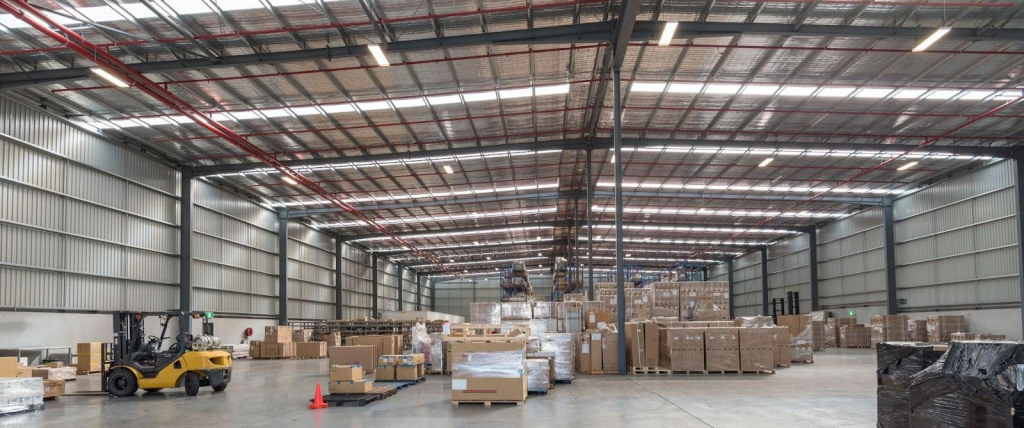
Logistics is essential because it guarantees that goods are delivered effectively and on schedule. Imagine ordering a new shirt online, but it got lost on the way or took months to arrive! Good logistics maintain company operations and client happiness.
Logistics in a Globalized World: Challenges & Solutions
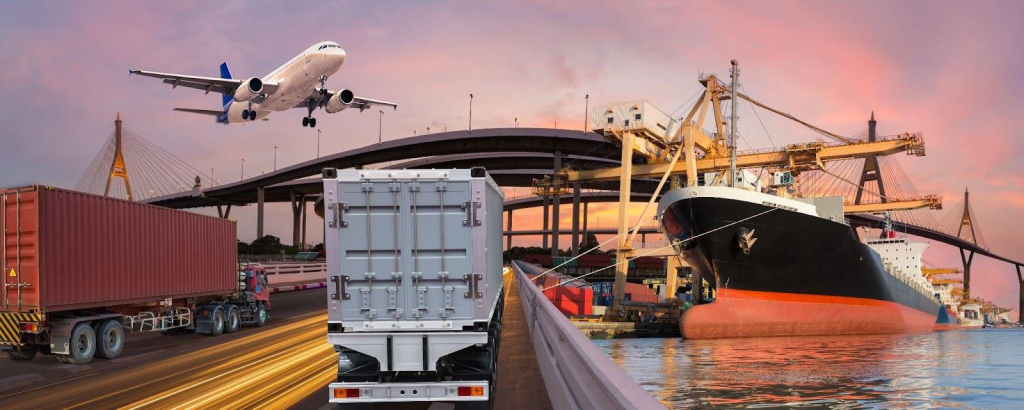
In today's globalized world, where goods travel vast distances, logistics become even more complex. Here are a few major problems businesses face and how logistics has helped in their solution:
1. Cost Control
Businesses have to manage and reduce their shipping expenses to remain competitive. But they face challenges in implementing effective cost-saving measures. Logistics firms find new ways to cut expenses, such as combining cargo or using different shipping companies. These cost-cutting strategies increase the business's financial performance and enable competitive pricing.
2. Inventory Management
Preventing stockouts and overstocking is essential for efficient operations, but managing inventory levels can be challenging. Logistics software can help prevent stockouts and overstocking by tracking inventory levels. This reduces storage costs and ensures that products are readily accessible when buyers need them. This provides relevant data to businesses to make wise choices.
3. Supply Chain Management
Businesses need to ensure transparency and timely delivery across the supply chain. Without clear visibility, delays and issues can go unnoticed. A well-designed logistics system provides real-time tracking of products at every stage. This enables quick problem-solving and plan adjustments.
4. Customs Regulations
International customs laws can be very difficult to understand and time-consuming. Logistics experts categorize products using a unique code system and handle all necessary documentation, including invoices and product descriptions. They calculate taxes in advance and streamline the customs process. This saves businesses from unexpected costs and delays.
5. Best Customer Service
Businesses need to deliver outstanding customer service to build trust. Logistics organizations provide active support to answer questions, resolve problems, and guarantee satisfaction with clients. Logistics is essential to meet consumers’ expectations and win their trust.
The Future of Logistics
It's all about speed, efficiency, and environmentally friendly practices in logistics going forward,
- Robots are taking on other warehouse duties, and possibly even self-driving vehicles are making long-distance deliveries.
- Human workers will be able to focus on more challenging tasks instead of basic work, such as using this new technology.
- Artificial intelligence (AI) and large data will also be important.
- Logistics companies may use an immense amount of data to estimate demand, improve routes, and prevent delays.
- Faster deliveries and a more efficient supply chain will come about from this.
- Sustainable development is starting to take its place.
- Logistics firms are searching for strategies that decrease their carbon footprint, such as switching to electric cars.
NATIONAL FREIGHT CONNECTION: Your Problem-Solving Partner
Does your business struggle with getting products where they need to go, on time and within budget? National Freight Connection can be your partner in solving those problems.
We offer various logistical solutions, from planning and arranging shipments to handling specific policies. Our team of professionals will work with you to determine the most practical and economical method of moving your freight anywhere in the world.
Let's discuss how we can manage your logistics and ensure faster deliveries. Contact us today at 931-200-5601!
FAQs
How can I track my deliveries more efficiently?
Many logistics companies now offer real-time tracking through their websites or mobile apps. These tools allow you to see exactly where your package is and when it's expected to arrive.
How does logistics help a business?
By lowering stockouts and overstocking, building customer loyalty, and providing on-time delivery, logistics can help a company save money.
How logistics can support the overall business strategy?
A company cannot succeed without efficient logistics. Fast shipping may improve consumer satisfaction and enhance a company's reputation. Logistics can further motivate a company to develop relationships with customers and satisfy their more precise demands.
How can I choose to act in a way that minimizes my carbon footprint?
Speak with companies that offer eco-friendly transportation choices, like those that employ electric vehicles or use less packaging. To cut down on the amount of delivery, think about combining your orders into one or recycling packaging materials whenever you can.